
Eating disorders are among the most misunderstood mental health conditions today. They are not simply extreme dieting or attempts to be thin. They are serious psychiatric illnesses that affect thoughts, emotions, and eating behaviors (National Institute of Mental Health [NIMH], 2023). They impact people of all genders, ages, and body types, not just young women (American Psychiatric Association [APA], 2022). Despite their severity, early detection and compassionate care significantly improve the chances of full recovery (National Eating Disorders Association [NEDA], 2024).
Common Types of Eating Disorders
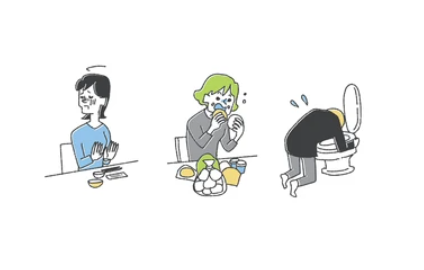
Eating disorders present in different forms. Each one is complex, harmful, and deserving of timely care:
1. Anorexia Nervosa
Marked by extreme food restriction, an intense fear of gaining weight, and a distorted body image. Individuals often see food as threatening and may deeply fear the idea of nourishment, (APA, 2022).
2. Bulimia Nervosa
Characterized by repeated cycles of binge eating followed by compensatory behaviors such as vomiting, laxative use, or excessive exercise. Shame, guilt, and secrecy often accompany the cycle(NIMH, 2023).
3. Binge Eating Disorder (BED)
Involves recurrent episodes of eating unusually large amounts of food in a short period, accompanied by feelings of loss of control. Unlike bulimia, there are no purging behaviors (NEDA, 2024).
4. Other Specified Feeding and Eating Disorders (OSFED) These include distressing and impairing symptoms that do not neatly fit the diagnostic categories but are equally serious and require treatment.
Causes and Risk Factors: A Compassionate View
Eating disorders arise from a complex combination of factors. No single cause exists, and no one is to blame.
- Biological Factors
Genetic predisposition and disruptions in brain systems tied to mood, reward, or anxiety (Attia & Walsh, 2021).
- Psychological Factors
Perfectionism, low self-esteem, emotional dysregulation, trauma, or co-occurring mental health conditions (Fairburn, 2019).
- Sociocultural Factors
Pressure to meet unrealistic beauty standards, social-media influence, or appearance-based teasing (Holland & Tiggemann, 2017).
- Environmental Factors
Stressful transitions, family conflict, or academic pressure (NEDA, 2024).
Understanding these factors helps reduce shame and highlights the need for a supportive, holistic approach to healing.
Warning Signs and Symptoms
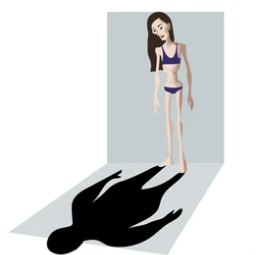
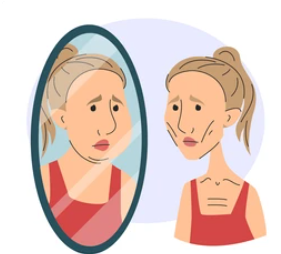
Eating disorders can be silent for months before they become visible. Recognizing them early is crucial.
Signs may include:
- Preoccupation with weight, calories, or dieting
- Dramatic changes in eating habits
- Avoiding meals or social events involving food
- Significant weight fluctuations
- Excessive guilt, shame, or anxiety after eating
- Fatigue, irritability, dizziness, or sleep problems
Whether for yourself or a loved one, noticing these signs early can save a life.
A Real Story That Speaks for Many (Case Study)

As a mental health professional, I once listened to a young woman describe what anorexia felt like for her. She told me:
“Imagine being stranded on an island. You are starving. Then you catch a cockroach. You know you need to eat it to survive, but something in your brain says no. That is what it is like every time I face a plate of food.”
Her journey began with “healthy eating.” Slowly, she cut out processed foods, then carbohydrates, then dairy, until her meals disappeared entirely. She said:
“I thought hunger was my body applauding me.”
Her body sent distress signals, exhaustion, hair loss, dizziness, but the disorder silenced them. Social gatherings became frightening. Her mother quit her job to care for her, but support felt like pressure.
What changed her life was learning, compassionate treatment, and gradual re nourishment. She began to understand that food was not the enemy, the disorder was.
“Now I am starting to feel that life is beautiful again,” she told me during one of her recovery sessions.
Stories like hers remind us why awareness matters and why early intervention is everything.
Treatment and Management: A Multidisciplinary Pathway to Recovery

The good news is this: Eating disorders are treatable. With the right care team, individuals can reclaim their health, peace, and joy.
1. Psychiatric Care and Medication
Psychiatric evaluation helps identify co occurring conditions such as anxiety, depression, obsessive compulsive tendencies, or trauma related symptoms.
Medications like SSRIs may support mood stabilization, reduce obsessive thoughts, and enhance engagement in therapy.
2. Psychotherapy
Evidence based treatments include:
- Cognitive Behavioral Therapy (CBT): Helps challenge harmful beliefs about food and body image.
- Dialectical Behavior Therapy (DBT): Supports emotional regulation and distress tolerance.
- Family Based Therapy (FBT): Involves loved ones in the healing process, especially effective for adolescents.
3. Nutritional Counseling
Registered dietitians guide individuals in rebuilding healthy eating habits, repairing the relationship with food, and restoring nutritional balance.
4. Support Systems and Community
Recovery thrives in compassion. Support groups, peer therapy, and open conversations help reduce isolation and build resilience.
The Role of Balm Gilead Psychiatry
At Balm Gilead Psychiatry, we understand that eating disorders are not simply about food. They are emotional, psychological, and biological illnesses that require professional and compassionate care.
Our clinical team offers:
- Comprehensive psychiatric evaluation
- Personalized treatment plans
- Evidence based therapy approaches
- Medication management
- Nutritional guidance through trusted partners
- Continuous support in a warm, stigma free environment
We walk with each patient at their own pace, helping them rebuild trust in themselves and rediscover hope.You are not defined by your struggle. With the right support, healing is not only possible, it is expected.
A Call to Action
If you or someone you love shows signs of an eating disorder, reach out today.
There is nothing shameful about needing help, and every step toward recovery counts.
Balm Gilead Psychiatry is here to offer confidential, compassionate, and expert guided care.
Your body deserves nourishment. Your mind deserves peace. Your life deserves fullness and joy.Recovery is real.Help is available.You are not alone.
References
American Psychiatric Association. (2022). Diagnostic and statistical manual of mental disorders (5th ed., text rev.). https://doi.org/10.1176/appi.books.9780890425787
National Eating Disorders Association. (2024). Eating disorders: Facts and statistics. https://www.nationaleatingdisorders.org/statistics-research-eating-disorders
National Institute of Mental Health. (2023). Eating disorders: Overview. https://www.nimh.nih.gov/health/topics/eating-disorders
